Being
Sustainable
Our passion goes beyond PERi-PERi.
At Nando's, we're about more than serving up delicious flame-grilled chicken. We believe in making a positive difference for our people, our communities, and our planet.
From the way we run our restaurants to how we support the communities around us, we're always looking for ways to do better. And while we know there's still work to be done, we're committed to making progress, one step at a time.

658K+
lives protected from malaria in Mozambique

6M+
meals donated through No Chuckin’ Our Chicken since 2013

9K+
pieces of Southern African art, the largest collection in the world
Close to Home
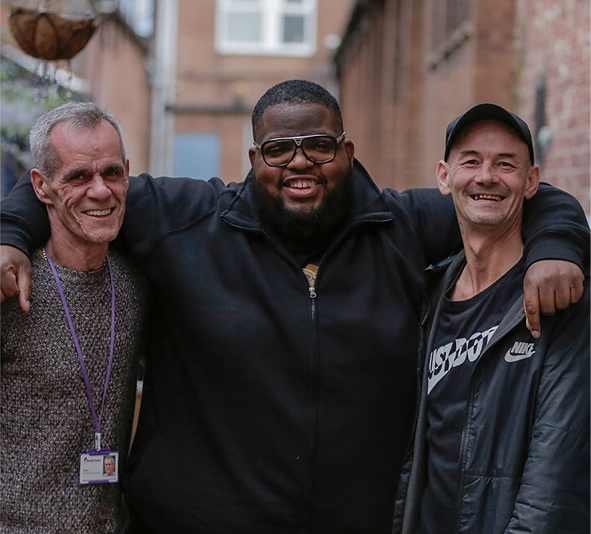
Every location builds its own local charity partnerships rather than following a corporate mandate, drawing on each restaurant’s read of what the neighborhood actually needs. A regional Community Fund gives restaurants fast, low-bureaucracy access to funding. Much of the charity work centers on homelessness, through food donation, volunteering, CV workshops, and hiring events aimed at getting people back into work. In 2024 alone, the company funded cooking-facility upgrades for 62 local charities and ran hiring events in 16 underserved areas.
In the Homeland
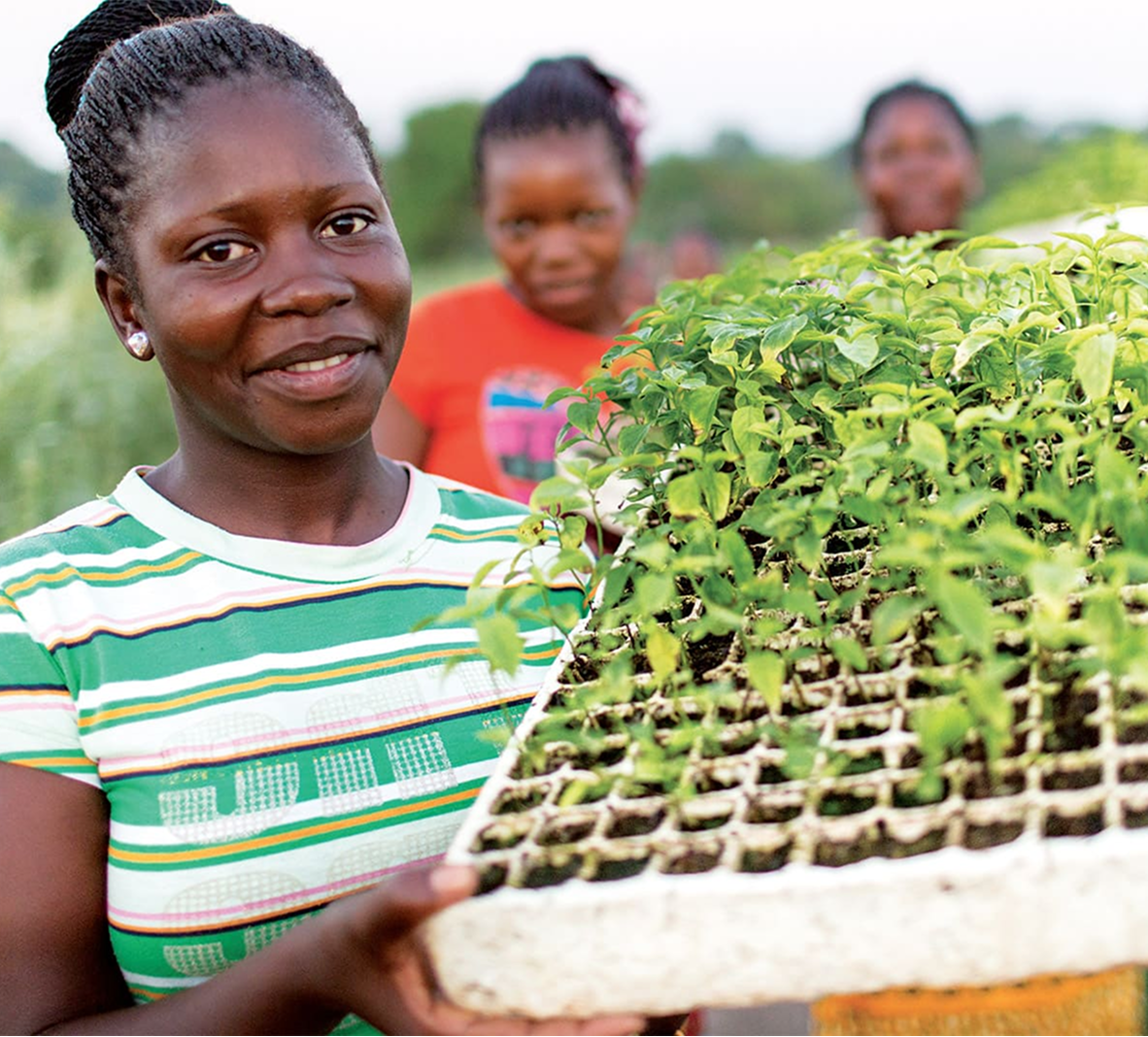
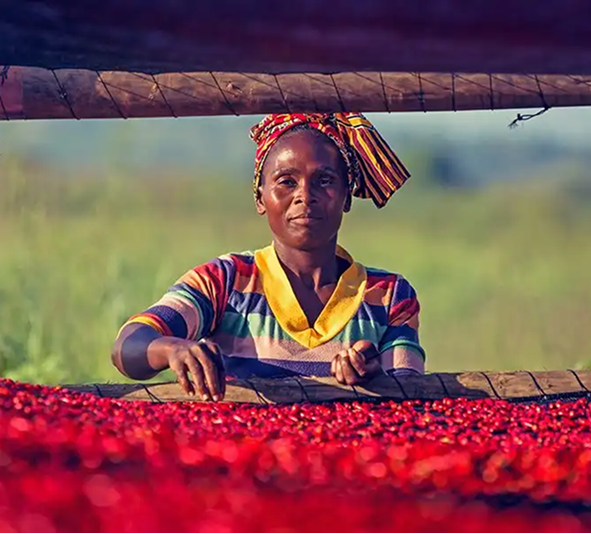
PERi-Farms guarantees Southern African chili farmers a fixed, above-market price for a trademarked chili variety, giving them income stability. Over 350 South African artists have work displayed across Nando’s restaurants through a partnership with Spier Arts Trust, which runs career-development programs for emerging artists. The malaria-fighting initiative has raised enough through internal fundraising (head shaves, auctions, sponsored walks) and product sales to protect over 658,000 lives; handwoven bracelets sold in restaurants fund two years of protection per purchase.
Climate
Management
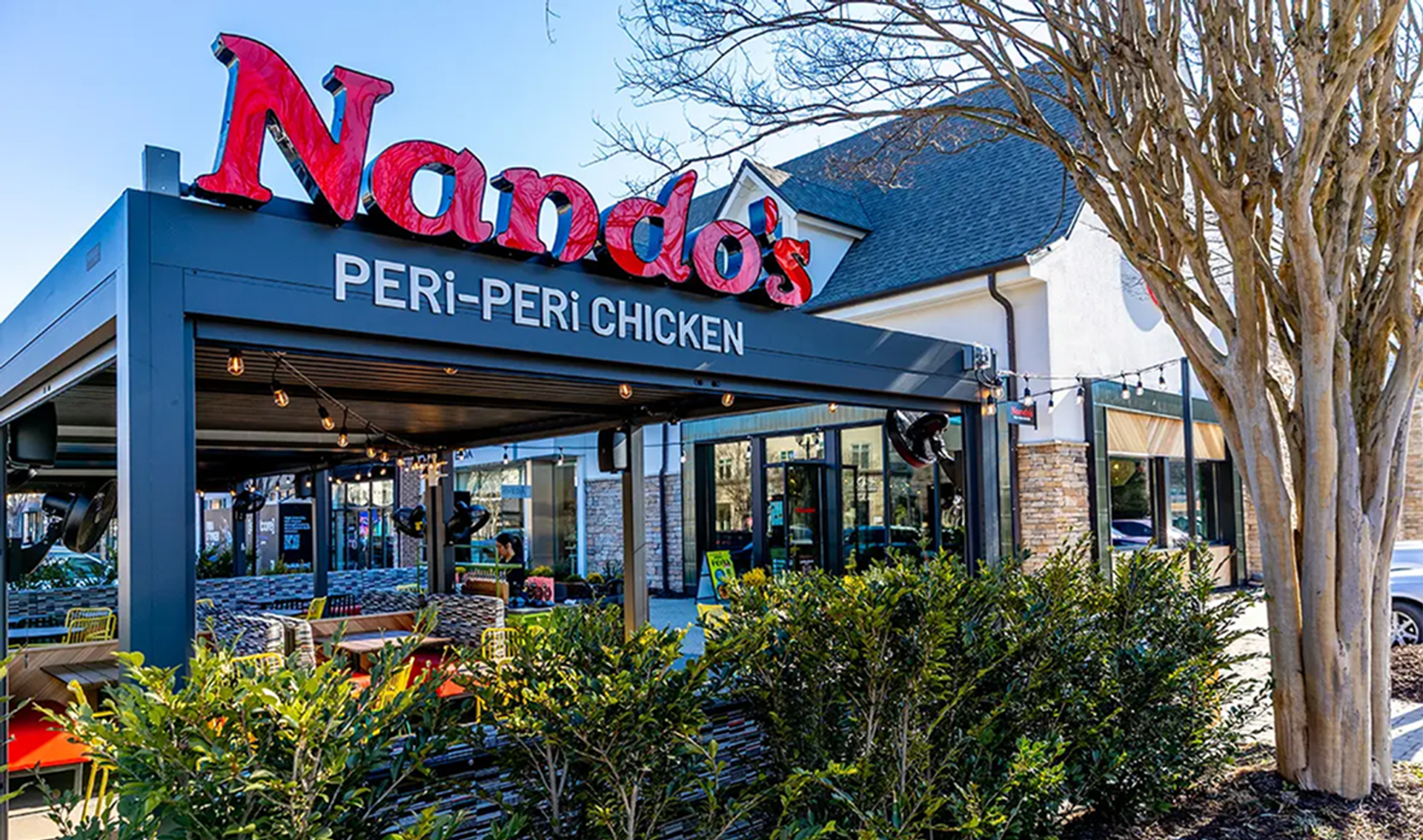
100% renewable electricity purchasing, real-time energy monitoring with alerts for unusual usage, automated systems that prevent door heaters and AC running simultaneously, and a network of internal “sustainability champs” driving behavior change. Waste is fully sorted (food, glass, mixed recycling) with zero landfill; anything left goes to energy-from-waste processing. Water use is managed via low-flow taps, pressure-sensing kitchen taps, and grease/food capture before wastewater leaves the building.
Design and Interior
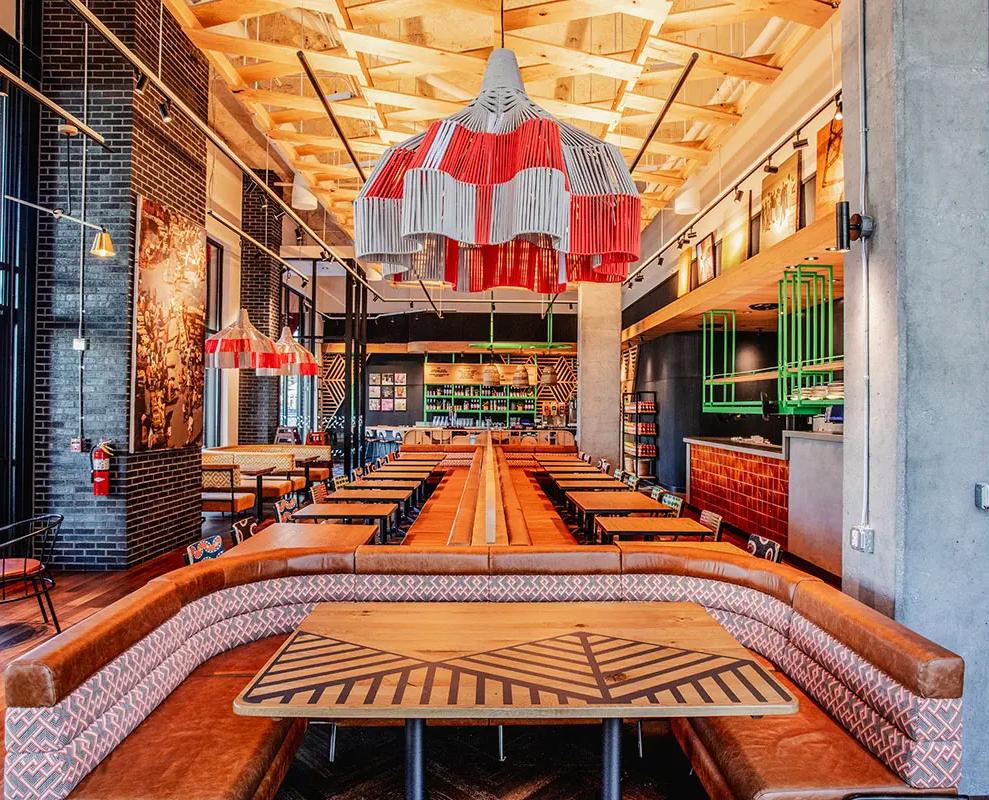
Furniture, lighting, and art are sourced from South Africa as both a design signature and a sustainability commitment. The Hill Cross Furniture and Employability Trust partnership refurbishes existing furniture stock instead of buying new, having given 197 young people employment pathways while refurbishing 6,740 pieces. A separate platform supports 50 Southern African product-design businesses, funneling a percentage of sales into a Purpose Levy reinvested in the designers themselves.
Food Policy
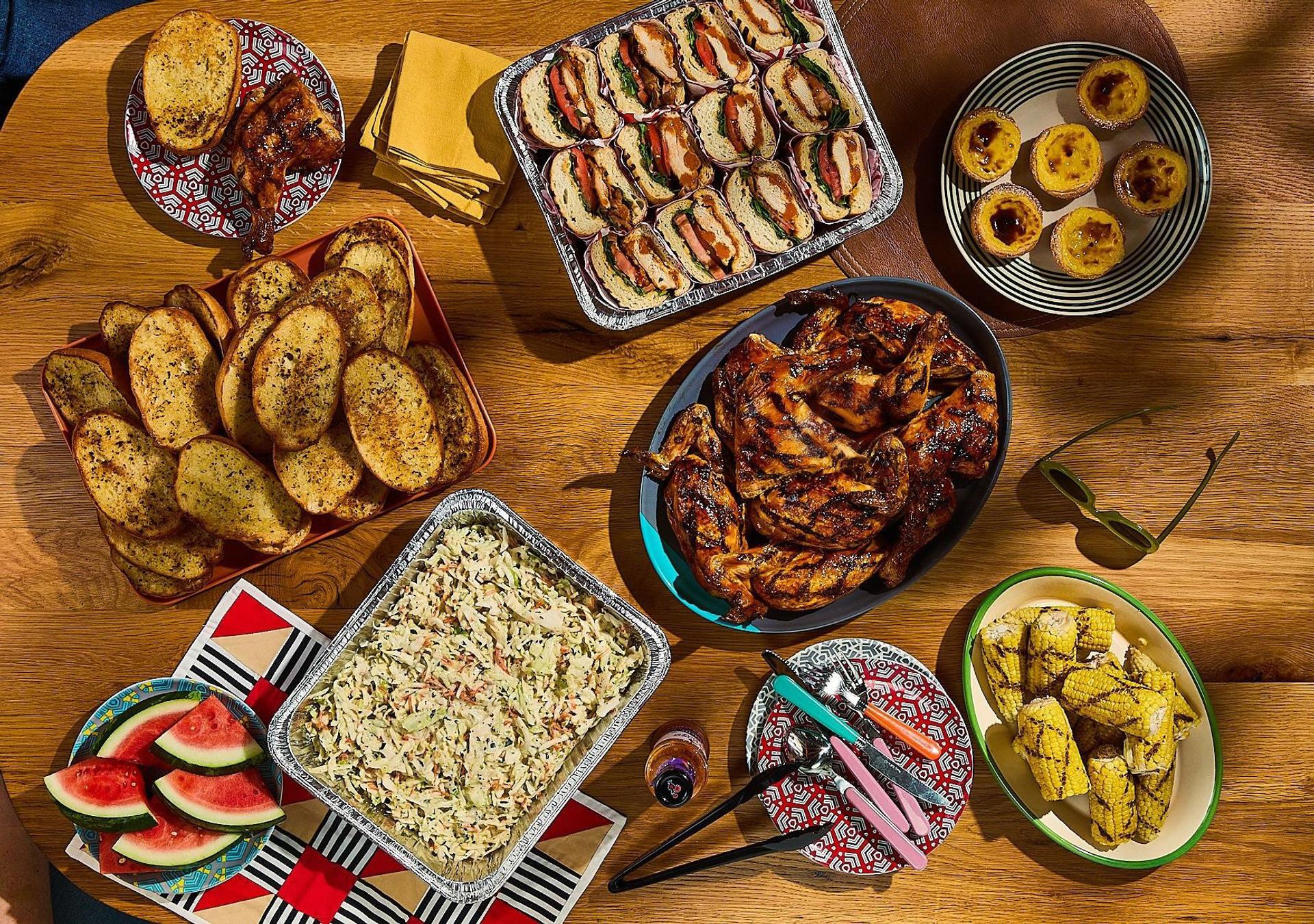
A company-wide manifesto governs sourcing standards, plus targets to reduce salt, sugar, and saturated fat. A partnership with Mondra maps the carbon footprint of every meal to identify reduction opportunities.
Sourcing Origin Story
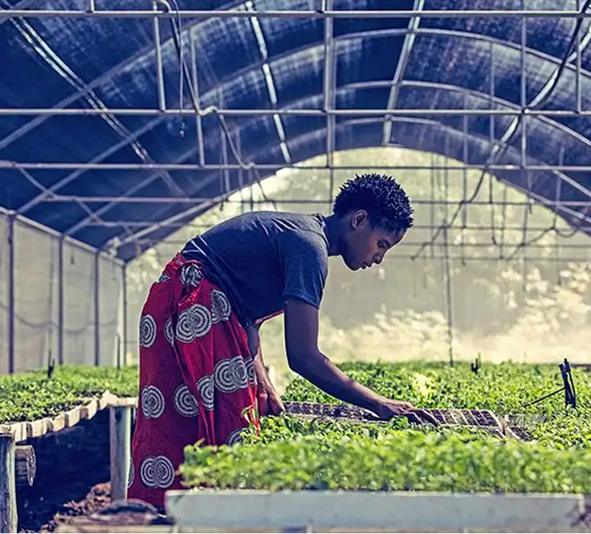
The PERi-PERi flavor traces to Portuguese-influenced spatchcock chicken meeting Mozambican spices, chilies, lemon, and garlic, with the first Nando’s opening in South Africa in 1987. Specific ingredients are sourced from their origin regions: halloumi from Cyprus, green olives from Greece, balsamic vinegar from a family producer in Modena, Italy.